Camden Council rules for West Hampstead floral street displays
Posted on 11/10/2026
Camden Council rules for West Hampstead floral street displays: what you need to know before you set anything out
If you are planning floral street displays in West Hampstead, the Camden Council rules for West Hampstead floral street displays are the bit that can save you a lot of awkwardness later. A neat planter outside a shop, a few statement pots, or a seasonal display spilling colour onto the pavement can make a frontage feel welcoming fast. But once flowers start edging into the public highway, the details matter. Not all displays are treated the same, and what looks charming to a passer-by can raise questions about safety, access, consent, and maintenance.
This guide explains the rules in plain English, shows you how to think through permissions and practical risks, and helps you avoid the common mistakes that catch people out. Whether you run a cafe, florist, salon, hotel, restaurant, or a small independent shop, you will find a clear path here. Let's face it, nobody wants a beautiful display that becomes a complaint magnet by week two.
Expert summary: If your floral display sits wholly on private land and does not obstruct the pavement, the job is usually simpler. If it touches or uses public space, assume you need to be much more careful and check the local rules before placing anything permanent.
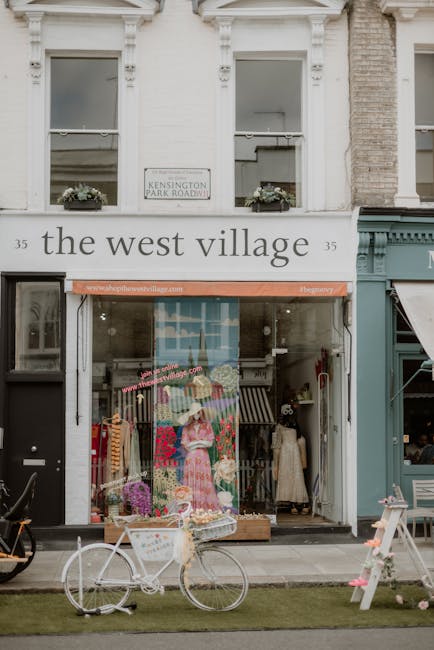
Why Camden Council rules for West Hampstead floral street displays matter
West Hampstead has that busy, lived-in London rhythm: commuters, school runs, deliveries, cafe tables, wheelchairs, buggies, cyclists, and the occasional dog weaving through everyone's feet. In that environment, a floral display is not just decoration. It becomes part of how the street works. That is why Camden Council rules matter. They help balance visual appeal with the practical reality of a shared pavement.
The biggest issue is usually not the flowers themselves. It is the footprint. A display that narrows the walking route, blocks sight lines, creates trip hazards, or makes it harder for people to pass can quickly move from "lovely idea" to "problem". And once the public highway is involved, the council's interest grows. You may also have neighbours, neighbouring businesses, landlords, and insurers to think about. One slightly over-enthusiastic arrangement on a windy day can end up being more than just petals on the pavement.
For businesses in West Hampstead, floral displays can be a smart branding move. They soften a frontage, create a local landmark, and make photos more shareable. But the reason this topic matters is simple: getting the rules right protects the display, the business, and the people using the street. That is the whole game really.
There is also a trust angle. If your frontage looks cared for and compliant, customers tend to assume the inside is organised too. That may sound a bit obvious, but it is true. A tidy display signals attention to detail, and in a competitive local high street, those little signals add up.
How Camden Council rules for West Hampstead floral street displays works
The basic question is always the same: is the display on private property, or is it on land that forms part of the public highway? That distinction matters because the rules become much stricter the moment anything extends into the pavement, kerbside, or other shared public space. In practical terms, a display inside your frontage is usually easier to manage than a planter positioned outside your boundary line.
Camden Council generally approaches street displays through a safety-and-access lens. That means they are likely to care about pedestrian flow, visibility, emergency access, maintenance, and whether the installation is stable enough to stay put in ordinary London weather. A pretty display that topples over in a gust of wind is not pretty for long. West Hampstead gets its share of blustery moments, so weight and fixings are not small details.
Depending on the exact setup, you may need permission, an agreement, or confirmation that the proposed arrangement is acceptable. In some cases, a display may be treated like street furniture or an obstruction if it sits in the wrong place. In others, a temporary display for a special event may be handled differently from a permanent planter arrangement. The safest approach is to assume duration, size, and location all change the picture.
If you are using a florist to create the display, make sure they understand the practical conditions, not just the aesthetic brief. Flowers that look good in the shop can behave very differently outdoors. Sun, shade, drizzle, drainage, and foot traffic all affect performance. A display near a busy pavement edge also needs regular touch-ups. Nobody wants drooping heads on day three.
If you are planning wider seasonal frontage improvements, it can also help to look at how the rest of your customer experience is presented. For example, a business that already cares about presentation in products and service pages such as about us, flower care advice, and service guarantees is usually better placed to manage an outdoor display properly too.
Key benefits and practical advantages
When done properly, floral street displays do more than make a pavement look nice. They can improve footfall, create a more inviting entrance, and help a local business feel like part of the neighbourhood rather than just another unit on the parade. In a place like West Hampstead, where people often notice the details, that matters.
- Better curb appeal: A considered display can make your frontage look open, warm, and cared for.
- Stronger local identity: Seasonal flowers can help your business feel rooted in the area.
- More visibility: A distinctive entrance is easier to spot from a passing bus, cab, or crowded pavement.
- Customer reassurance: Neat, compliant presentation sends the right message before anyone steps inside.
- Event support: Displays can work well for launches, weddings, anniversaries, or seasonal promotions.
- Photography value: People do notice a good floral backdrop, especially if it feels natural rather than staged.
There is a softer benefit too: flowers change the tone of a street. A corner can feel less hard-edged, less rushed. On a grey morning, a strong planting scheme can actually lift the whole frontage. That sounds fluffy, but anyone who has stood outside a shop at 8:30am in February knows what I mean.
For businesses that also sell flowers or gifts, the display can double as a live showcase. Browsing customers often respond to real-world examples of colour and style more than a polished screen image. If that is your model, product ranges such as florist choice arrangements, luxury flowers, and all flowers can give you a practical sense of how to balance impact with restraint.
Who this is for and when it makes sense
This topic matters most for businesses and organisations that want flowers visible from the street. That includes florists, cafes, restaurants, salons, pubs, hotels, estate agents, clinics, and event venues. It also applies to property managers and landlords who want frontages to look cared for without causing access issues.
It is especially relevant if you are considering:
- planters or troughs near the pavement edge
- seasonal entrance arrangements for Christmas, Easter, summer, or local events
- floral branding for a launch or relaunch
- long-term frontage decor that stays out every day
- temporary displays linked to a wedding, funeral, memorial, or community event
Sometimes the display is not even the main attraction. It is the frame around the business. A neat row of planters can make a plain shopfront feel intentional. On the other hand, if the frontage already feels tight, adding a bulky arrangement can make it worse. That is where judgement comes in. Not every frontage needs a grand gesture. Sometimes a smaller, well-positioned display does the job better.
For wedding-related businesses, the connection is even stronger. A venue or florist may want outdoor flowers to echo the tone of the day. In that case, it helps to think about the full visual journey, from entrance to interior tables. Pages like weddings, bridal bouquets, and table arrangements show how display thinking can carry through an entire event rather than stopping at the pavement.
Step-by-step guidance
Here is a sensible way to approach Camden Council rules for West Hampstead floral street displays without getting lost in jargon or assumptions.
- Map the boundary first. Work out exactly where your private frontage ends and the public footway begins. If there is any doubt, treat that as a warning sign.
- Measure the usable pavement width. A display that looks fine on paper may feel cramped once pedestrians, pushchairs, and mobility aids pass through.
- Decide whether the display is temporary or permanent. A weekend installation and a year-round planter scheme are not the same thing.
- Choose stable, low-risk materials. Heavy bases, water-resistant containers, and non-slip positioning reduce avoidable problems.
- Check sight lines. Do not block views for drivers, cyclists, or people emerging from entrances and crossings.
- Plan maintenance. Flowers need watering, deadheading, and replacement. A display that looks glorious on day one can slide fast.
- Consider nearby users. Think about schoolchildren, older residents, delivery crews, and anyone moving quickly past your frontage.
- Keep records. Take photos, note measurements, and keep a simple file of what you installed and when.
- Review after installation. Stand back at different times of day. Morning glare, lunchtime crowding, and evening shade can all change the picture.
A quick real-world tip: walk past the frontage with a bag in one hand and try to pass through the space. If it feels annoying for you, it will probably annoy everyone else too. That is a useful little test, oddly enough.
If the display is tied to delivery-based flower services, make sure the operational side stays aligned. Customer-facing pages such as flower delivery in West Hampstead, same-day delivery, and next-day delivery can help set expectations if the public display is meant to support real sales rather than just decoration.
Expert tips for better results
The best floral street displays tend to be the ones that look effortless even though they are quietly very well managed. That is the trick. Not overstuffed, not fragile, not drifting into the path of every passer-by.
1. Keep the palette controlled. Too many colours can make a display feel messy from a distance. Two or three coordinating tones often work better than a full rainbow. If you want stronger visual identity, a tighter palette can help the frontage read clearly in a glance.
2. Use weight and depth. Tall arrangements are lovely until a gust arrives. Anchor them properly. Outdoor floral features should be designed with weather in mind, not just the photo opportunity.
3. Treat maintenance as part of the design. The freshest display in the world will look tired if nobody prunes, waters, or refreshes it. A good rule is to design for what happens on a wet Thursday, not just what looks good on opening morning.
4. Match the display to the business. A formal frontage may suit structured planters and white blooms. A creative cafe might suit looser seasonal planting. The point is consistency, not extravagance.
5. Think in layers. Low planters, mid-height focal flowers, and a clear walkway usually work better than one oversized container doing all the work.
6. Build in flexibility. If your display needs to be removed quickly for cleaning, waste collection, or an event, it should not be a wrestling match.
You will notice that the most successful displays often look simple. That is not because they were easy. It is because someone made a lot of small decisions well. A bit unglamorous, maybe. But very effective.
Common mistakes to avoid
Most problems with floral street displays are preventable. They usually come from rushing, guessing, or assuming that "it's only flowers" means the rules will be relaxed. The council view is generally more practical than dramatic, but it is still a rules-based environment.
- Blocking the pavement: If people have to step into the road or squeeze sideways, the display is too intrusive.
- Ignoring weather exposure: Rain, wind, and heat all affect outdoor arrangements. Some flowers simply do not enjoy London pavement life.
- Using unstable containers: Lightweight pots can tip, slide, or break.
- Forgetting water run-off: Leaking water can create slippery patches or stain surfaces.
- Placing items without checking boundaries: What seems "outside the shop" may not actually be your space.
- Setting and forgetting: Outdoor displays need monitoring, especially in busy areas.
- Overdecorating the frontage: More is not always better. In fact, it often reads as clutter.
- Not coordinating with neighbours: A display that works for you may crowd someone else's access or signage.
A common slip is to focus entirely on style and leave operations for later. That usually backfires. To be fair, everyone does it now and then. But outdoor displays are one of those things where the boring parts matter as much as the pretty bits.
Tools, resources and recommendations
You do not need a huge setup to manage a compliant and attractive floral frontage, but a few practical tools make life easier.
- Measuring tape: Essential for checking walking space and placement.
- Simple site photos: Keep before-and-after images so you can compare layouts.
- Stable planters and trays: Choose containers that suit the surface and weather exposure.
- Watering routine: Decide who checks the display and when.
- Maintenance log: A basic note of watering, replacement, and adjustments is enough.
- Seasonal flower plan: Keep a rough list of what works in spring, summer, autumn, and winter.
If you are building a broader flower-led customer journey, it can help to review practical product and service pages alongside the display plan. Useful starting points include flower care, delivery information, and contact us for support with orders or setup questions. A well-run business tends to have the same calm logic in both front-of-house presentation and back-of-house admin.
For seasonal or budget-conscious displays, ranges like cheap flowers, best sellers, and summer flowers can help keep the scheme fresh without making it overcomplicated. Simple can be smart. Properly done, simple is often the smartest choice of all.
Law, compliance, standards, or best practice
For floral street displays in West Hampstead, compliance is mostly about common sense aligned with local authority expectations. The key practical standards are access, safety, stability, and keeping within the boundaries of any permission you have. If your display affects the public highway, you should treat that as a formal matter, even if it is small.
Best practice usually includes the following:
- do not obstruct pedestrian movement
- keep emergency routes clear
- avoid creating trip, slip, or impact hazards
- make sure containers are stable and weather-appropriate
- maintain the display so it does not become untidy or hazardous
- check lease, landlord, or building management conditions before installation
- review insurance implications if the display is part of a public-facing frontage
It is also wise to treat anything permanent or semi-permanent with extra caution. A one-day floral feature for an event is one thing. A standing street display outside a business is another. The longer it stays in place, the more you should think about visibility, maintenance, and whether it remains suitable across seasons.
Local practice in London generally favours clear pavements and predictable access. That is not anti-flower, not at all. It simply means the design has to earn its place. A display that works beautifully within those limits usually causes no grief and often gets compliments. A display that ignores them can trigger complaints quite quickly. There is no mystery to it, really.
Options, methods, or comparison table
If you are deciding how to present floral frontage in West Hampstead, it helps to compare the main approaches. The right choice depends on space, budget, and how public-facing the site is.
| Option | Best for | Pros | Watch-outs |
|---|---|---|---|
| Small private-frontage display | Shops with limited but tidy frontage space | Lower risk, easier to manage, usually simpler to keep compliant | Less visible from a distance |
| Pavement-edge planter arrangement | Businesses wanting strong street presence | Highly visible, strong branding effect, can define the entrance | May need permission and careful access checks |
| Temporary event display | Openings, weddings, launches, seasonal promotions | Flexible, easier to tailor to a specific date, often less long-term maintenance | Still needs safe setup and removal plan |
| Window-led floral presentation | Sites with narrow pavement space | Low impact on public access, good visual effect | Less of a street-level landmark |
| Mixed frontage and interior styling | Businesses wanting a fuller customer experience | Balanced look, can feel premium without overusing pavement space | Requires consistency across indoor and outdoor areas |
In many cases, the safest route is a display that starts on private ground and visually extends outward rather than physically occupying the whole footway. That approach often gives you most of the charm with fewer headaches. A sensible compromise, in other words.
Case study or real-world example
Imagine a small independent cafe in West Hampstead that wants to brighten its entrance for spring. The owner loves the idea of two tall planters with trailing flowers, placed right by the door. On the first sketch, it looks elegant. On a real pavement, it would leave very little room for people carrying coffee, pushing prams, or waiting for takeaway orders.
So the plan changes. The cafe keeps one planter inside the boundary line, uses a lower container closer to the glass, and adds a narrower display just behind the frontage. The effect is still cheerful, but the walkway stays clear. Staff can water it easily, cleaning is straightforward, and nobody has to squeeze past hanging stems at shoulder height. Best of all, the display feels intentional rather than forced.
That sort of adjustment is common. Truth be told, the first idea is often the prettiest but not the smartest. The practical version is usually the one that survives real life: wet weather, delivery drop-offs, the lunchtime rush, and the occasional impatient scooter. If the display still looks good after all that, you have probably got it right.
For a business that already works with flowers daily, the same logic applies to product presentation. Seasonal favourites, local delivery options, and thoughtful ranges such as best flower delivery in West Hampstead, send flowers, and florist West Hampstead NW6 can support a frontage that feels connected to the business rather than pasted on.
Practical checklist
Use this checklist before you place any floral street display in West Hampstead.
- Have I confirmed whether the display sits on private land or public pavement?
- Will people still pass comfortably with a buggy, wheelchair, or shopping bags?
- Is the display stable in wind and rain?
- Are the containers safe, level, and not likely to tip?
- Does the display block signs, sight lines, or entrances?
- Do I know who will water and inspect it?
- Have I checked the display against any landlord, lease, or building rules?
- Do I have a removal plan if the council or property manager asks for one?
- Will the display still look acceptable after several days outdoors?
- Have I kept photos and notes in case I need to explain the setup later?
If you can tick most of those off calmly, you are in a much better place. No drama, just a front-of-house display that does its job well.
Get a free quote today and see how much you can save.
Conclusion
Camden Council rules for West Hampstead floral street displays are ultimately about making sure good-looking frontage does not create practical problems. Once you see them that way, the whole subject becomes much easier to handle. The best displays respect the pavement, support the business, and feel like part of the street rather than an obstruction on it.
Start with the boundaries. Keep access clear. Choose stable materials. Maintain the display properly. If you do those things, you are already ahead of most rushed setups. And if you are unsure, take the cautious route first. It is far easier to refine a safe display than to rescue an overambitious one after complaints arrive.
A well-planned floral frontage can brighten a street, lift a mood, and make your business feel cared for in the best possible way. Small details matter more than people think. Sometimes, that little patch of colour outside the door says everything.
Frequently Asked Questions
Do I need permission for floral street displays in West Hampstead?
If the display stays entirely on private property, you may not need formal permission. If it sits on or over the public pavement, you should expect stricter rules and possibly permission or consent requirements. The safe assumption is to check before you install anything that touches the highway.
What counts as a floral street display?
It can include planters, pots, troughs, baskets, seasonal arrangements, and decorative flowers placed at or near a business frontage. The important question is not just what it is, but where it sits and whether it affects public access.
Can I put planters outside my shop in West Hampstead?
Possibly, but placement matters. A planter that stays within your private boundary is easier to manage. A planter on the pavement edge or public footway may need approval and must not block pedestrian movement.
Are temporary floral displays treated differently from permanent ones?
Yes, often they are. A one-day or short-term event display may be handled more flexibly than a permanent frontage scheme. Even so, temporary displays still need to be safe, stable, and unobstructive.
What is the biggest compliance risk with floral street displays?
The biggest risk is usually obstruction. If the display narrows the path, creates a trip hazard, or makes the pavement awkward for people with buggies, wheelchairs, or luggage, it becomes a problem very quickly.
How wide should the pavement route stay clear?
There is no one-size-fits-all answer that safely applies to every frontage. The right clearance depends on the street, footfall, and exact layout. The best practice is to preserve a comfortable route and avoid guessing. Measure it properly.
Do I need to think about weather?
Absolutely. Wind, rain, and summer heat all affect floral street displays. Containers need to be stable, plants need a maintenance plan, and the arrangement should still make sense after a wet day rather than just on installation day.
Can floral displays help my business attract more customers?
They can, especially where the display makes the entrance more inviting and visually distinctive. That said, the display works best when it feels neat, aligned with the business, and easy for people to pass safely.
What flowers work best for outdoor frontage displays?
Hardier seasonal flowers and robust arrangements usually work better outdoors than delicate blooms that wilt quickly. The right choice depends on sun, shade, wind exposure, and how often you can maintain the display.
Should I coordinate with nearby businesses?
Yes, if the display affects a shared frontage, narrow pavement, or neighbouring access points. A quick conversation can prevent awkwardness later. It is one of those simple steps that saves everyone a headache.
Can a floral display be part of branding?
Definitely. Many businesses use flowers as part of their visual identity, especially cafes, salons, venues, and florists. The key is making sure the branding remains practical and compliant rather than purely decorative.
What should I do if I am unsure whether my display is allowed?
Pause and check before placing it. Measure the space, review your lease or frontage conditions, and get clarity on whether the display would sit on private land or public space. A little caution now is much easier than a removal request later.
In the end, the nicest floral displays are the ones that feel calm, thoughtful, and completely at home in the street. That is the sweet spot, really.


